
What's Chi-Chi Gonna Do About It? Daddy Jim Headquarters Unpacks Goku's Complicated Legacy
Daddy Jim's new track sparks debate about Dragon Ball's most polarizing hero. Discover what this fresh take reveals about Goku's legacy and Chi-Chi's role.
By Daddy Jim | December 5, 2025 at 11:49 AM
Tags: Dragon Ball
Categories: Anime & Animation
Daddy Jim Headquarters Drops a Track That's Got the Whole Fandom Talking
The New Release: A Fresh Take on Dragon Ball's Most Polarizing Character
Daddy Jim Headquarters just dropped a track that's sparking conversations across the Dragon Ball fandom, and it's impossible to ignore. *What's Chi-Chi Gonna Do About It? (Goku's the Alpha)* arrived just days ago and has already made waves on major streaming platforms including Spotify, YouTube Music, and Apple Music. The song presents a refreshingly candid look at one of anime's most beloved yet increasingly questioned figures: Son Goku.
While the track celebrates Goku's undeniable strength and alpha energy, it simultaneously shines a spotlight on the collateral damage his lifestyle has caused—particularly to Chi-Chi and their family. This isn't a hater's take wrapped in bitterness; rather, it's a nuanced exploration of a character whose legacy is far more complicated than his power level would suggest.
The timing of this release couldn't be more relevant. As 2025 unfolds, Dragon Ball's fanbase continues to grapple with a decades-old question that gained significant traction in recent canon: Is Goku actually a good person, let alone a good father?
While the track celebrates Goku's undeniable strength and alpha energy, it simultaneously shines a spotlight on the collateral damage his lifestyle has caused—particularly to Chi-Chi and their family. This isn't a hater's take wrapped in bitterness; rather, it's a nuanced exploration of a character whose legacy is far more complicated than his power level would suggest.
The timing of this release couldn't be more relevant. As 2025 unfolds, Dragon Ball's fanbase continues to grapple with a decades-old question that gained significant traction in recent canon: Is Goku actually a good person, let alone a good father?
Creator Akira Toriyama's Own Verdict
Perhaps the most damning evidence comes directly from the source. Creator Akira Toriyama himself once stated that Goku is "a disaster as a father." This wasn't a fan theory or fan fiction—it's the canonical perspective of the man who created the character. Toriyama's assessment carries significant weight because it validates what countless fans have observed: Goku's actions throughout the series demonstrate a consistent pattern of prioritizing martial arts training and combat over family responsibilities.
This sentiment reached mainstream canon acknowledgment with the release of *Dragon Ball Daima* in 2024. The anime series explicitly features Goku recognizing and verbalizing his parenting failures—a rare moment where the franchise itself admits to what fans have been discussing in forums and on social media for decades.
This sentiment reached mainstream canon acknowledgment with the release of *Dragon Ball Daima* in 2024. The anime series explicitly features Goku recognizing and verbalizing his parenting failures—a rare moment where the franchise itself admits to what fans have been discussing in forums and on social media for decades.
The Cell Games Incident: Endangering His Own Child
One of the most frequently cited examples in "bad dad" discussions centers on the Cell Games. During this pivotal tournament arc, Goku does something that fundamentally questions his judgment: he deliberately gives Cell a Senzu bean during combat, allowing his opponent to restore full health and stamina mid-fight.
Why? The official explanation involves some convoluted reasoning about wanting a fair fight, but the practical consequence is stark and undeniable. This action forces pre-teen Gohan—his own son—into mortal combat against a nearly invincible opponent. Gohan didn't ask to participate in this fight. He was pushed into it by his father's decisions and priorities.
The Cell Games weren't about protecting Gohan; they represented Goku's opportunity to satisfy his desire for combat against the strongest opponent he'd encountered. The fact that his young son had to bear the psychological and physical burden of that choice reveals a fundamental misalignment between Goku's professed values and his actual behavior.
Why? The official explanation involves some convoluted reasoning about wanting a fair fight, but the practical consequence is stark and undeniable. This action forces pre-teen Gohan—his own son—into mortal combat against a nearly invincible opponent. Gohan didn't ask to participate in this fight. He was pushed into it by his father's decisions and priorities.
The Cell Games weren't about protecting Gohan; they represented Goku's opportunity to satisfy his desire for combat against the strongest opponent he'd encountered. The fact that his young son had to bear the psychological and physical burden of that choice reveals a fundamental misalignment between Goku's professed values and his actual behavior.
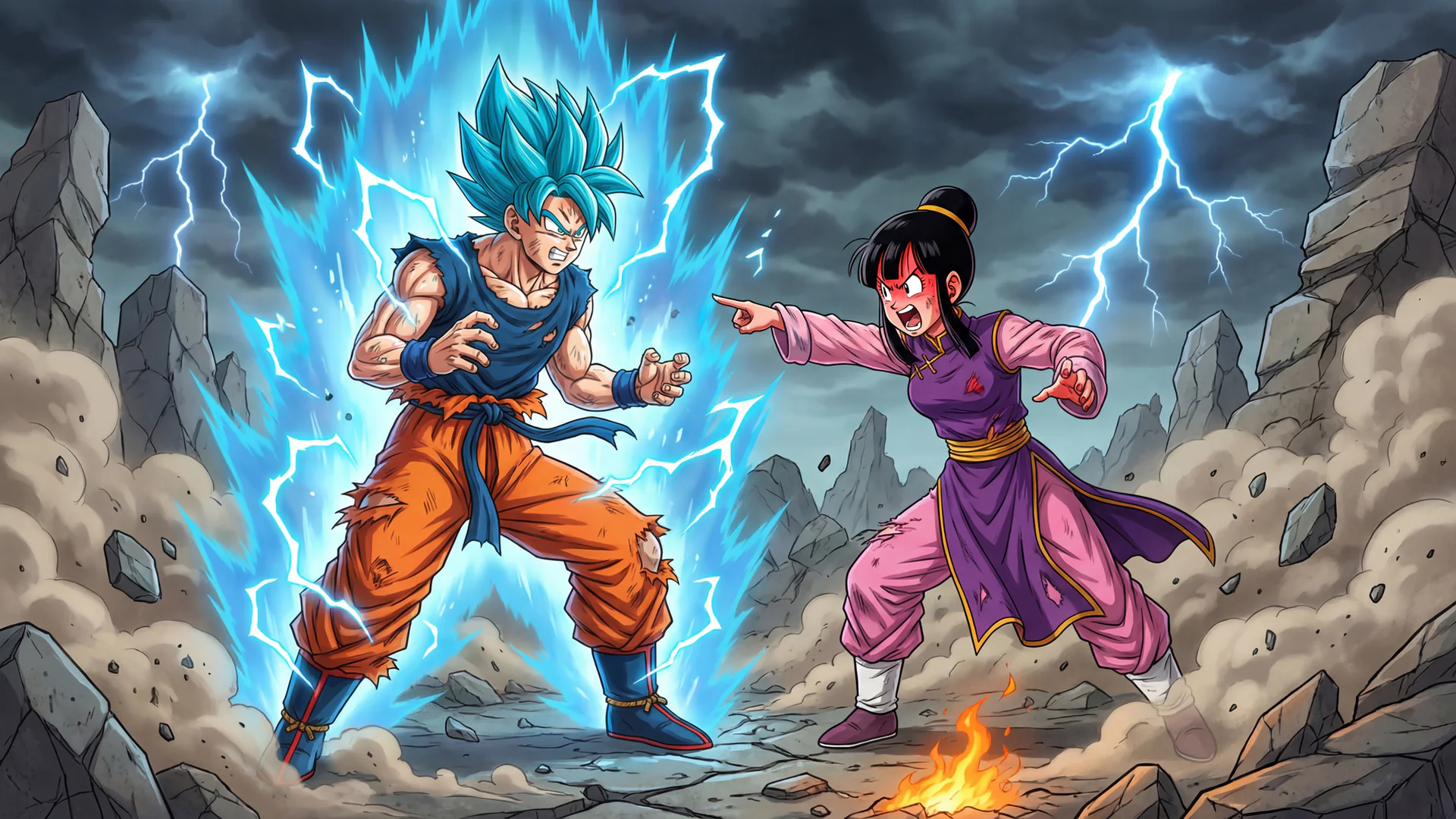
The Receipts Are In: Breaking Down Goku's Parenting Failures
Death as Escape, Not Sacrifice
Goku's post-Cell Games decisions further illustrate his ambivalent approach to family responsibility. After the Cell Games, Goku chooses to remain dead rather than be resurrected. His stated reason? He believes Earth is safer without him attracting powerful enemies—but let's be real, the dude also gets to train in Other World, which is apparently more important than being present for his family during their recovery and rebuilding.
This pattern continues throughout Dragon Ball Super. Goku prioritizes training for the Tournament of Power, involves his universe in a battle where countless beings face destruction, and fundamentally alters the trajectory of multiple worlds—all because he craves powerful opponents to fight. Meanwhile, Chi-Chi manages the household, raises Goten, and deals with the practical consequences of having a husband who views parenthood as a secondary concern.
This pattern continues throughout Dragon Ball Super. Goku prioritizes training for the Tournament of Power, involves his universe in a battle where countless beings face destruction, and fundamentally alters the trajectory of multiple worlds—all because he craves powerful opponents to fight. Meanwhile, Chi-Chi manages the household, raises Goten, and deals with the practical consequences of having a husband who views parenthood as a secondary concern.
The Selective Parenting Pattern
Throughout the series, Goku has consistently outsourced parenting responsibilities. He shipped infant Gohan off to train with Piccolo. He was absent for Goten's birth by choice. He frequently delegates his children's welfare to others—Piccolo, Krillin, Vegeta (of all people)—rather than taking hands-on responsibility himself.
The pattern becomes almost absurdly clear when you catalog it: Goku is exceptionally dedicated to one thing and one thing only—becoming a stronger fighter. Everything else, including his family's emotional and psychological needs, ranks distinctly lower on his priority list.
The pattern becomes almost absurdly clear when you catalog it: Goku is exceptionally dedicated to one thing and one thing only—becoming a stronger fighter. Everything else, including his family's emotional and psychological needs, ranks distinctly lower on his priority list.
The Fandom Discussion: A Community Reassessing a Hero
What Daddy Jim's new release captures brilliantly is the increasingly mainstream acceptance within the Dragon Ball community that Goku's characterization contains genuine moral complexity. This isn't a niche fan theory anymore; it's become a legitimate point of discussion across multiple platforms.
Across Reddit communities dedicated to Dragon Ball, the conversation has evolved significantly. Threads discussing Goku's parenting failures consistently attract thousands of upvotes and hundreds of substantive comments from fans who are actively reconsidering their childhood hero. The "Goku bad dad" discussion has moved beyond casual joke territory into genuine analysis. Fans cite specific episodes, specific decisions, and specific consequences to support their position that Goku's impact on his family—and arguably on his entire universe—isn't entirely heroic.
Across Reddit communities dedicated to Dragon Ball, the conversation has evolved significantly. Threads discussing Goku's parenting failures consistently attract thousands of upvotes and hundreds of substantive comments from fans who are actively reconsidering their childhood hero. The "Goku bad dad" discussion has moved beyond casual joke territory into genuine analysis. Fans cite specific episodes, specific decisions, and specific consequences to support their position that Goku's impact on his family—and arguably on his entire universe—isn't entirely heroic.
Character Analysis: The Flawed Interpretation of "Strong"
What makes the conversation particularly rich is how fans are distinguishing between being a powerful fighter and being a good person. Goku is undeniably one of the strongest beings in the Dragon Ball universe. But strength and morality aren't the same thing, and increasingly, the fanbase is comfortable making that distinction explicit.
This distinction is especially important because the early Dragon Ball series subtly conflated the two. Goku's strength gradually became synonymous with heroism, and his victories became moral victories by default. As the series progressed and matured, however, the consequences of Goku's decisions became harder to ignore.
The Tournament of Power arc in Dragon Ball Super crystallized this tension. Goku's enthusiasm for the tournament, despite the existential threat it posed to multiple universes and billions of beings, exposed the fundamentally selfish nature of his priority system. He wanted to fight. Billions of people faced potential erasure. His desire won. What's particularly interesting is that this discussion transcends geographical and cultural boundaries. While Dragon Ball originated in Japan, the global fanbase has collectively arrived at similar conclusions about Goku's character.
This distinction is especially important because the early Dragon Ball series subtly conflated the two. Goku's strength gradually became synonymous with heroism, and his victories became moral victories by default. As the series progressed and matured, however, the consequences of Goku's decisions became harder to ignore.
The Tournament of Power arc in Dragon Ball Super crystallized this tension. Goku's enthusiasm for the tournament, despite the existential threat it posed to multiple universes and billions of beings, exposed the fundamentally selfish nature of his priority system. He wanted to fight. Billions of people faced potential erasure. His desire won. What's particularly interesting is that this discussion transcends geographical and cultural boundaries. While Dragon Ball originated in Japan, the global fanbase has collectively arrived at similar conclusions about Goku's character.
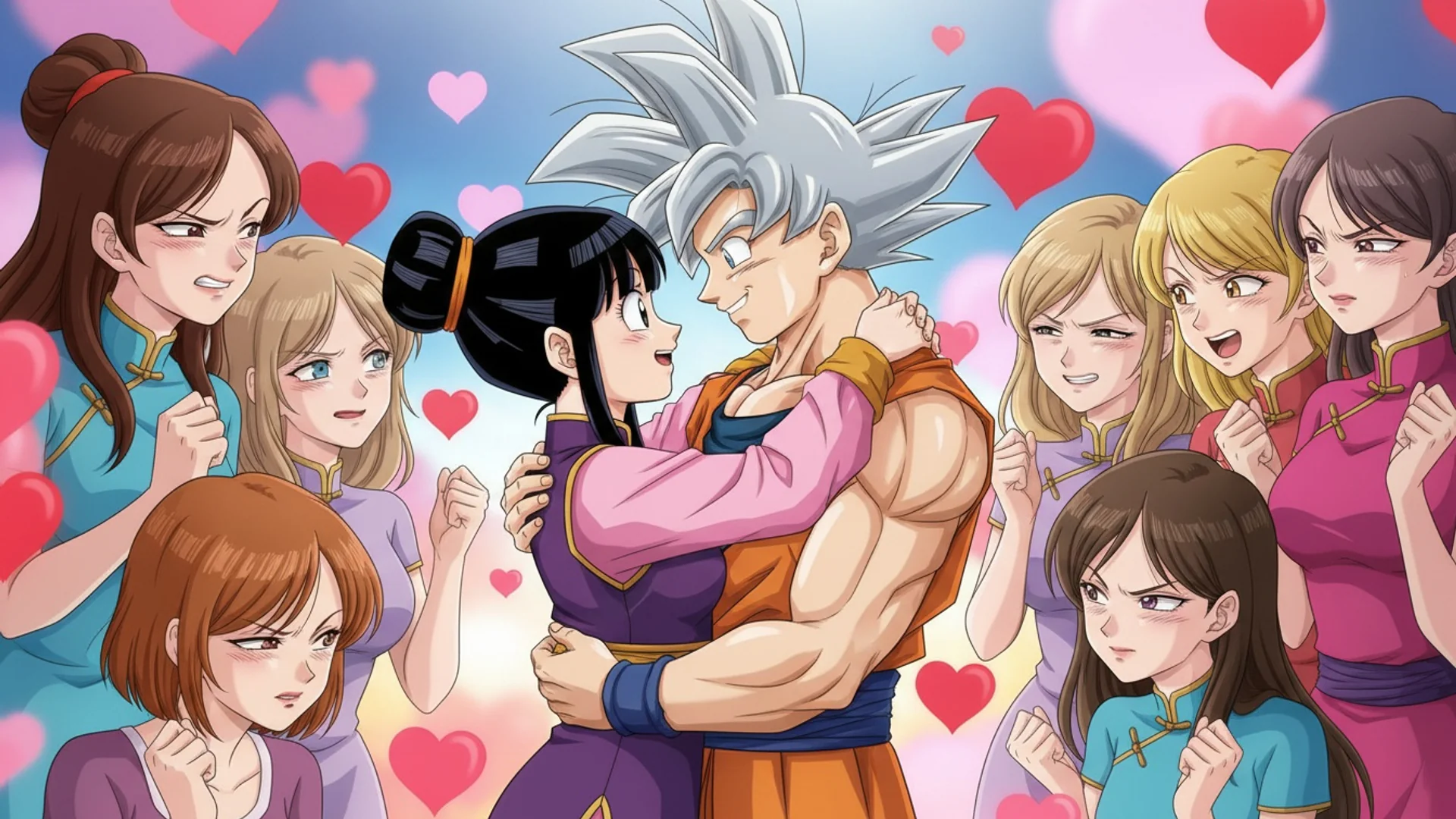
Chi-Chi's Burden and What This All Means for How We Talk About Characters
The Chi-Chi Perspective: The Unsung Burden-Bearer
What *What's Chi-Chi Gonna Do About It?* brings into sharp focus is the perspective that's been systematically sidelined throughout the series: Chi-Chi's experience. The song's title poses a deceptively simple question with deeply complicated implications. What exactly is Chi-Chi supposed to do? She married a man who views responsibilities as inconveniences. She bore and raised children largely alone while her husband trained, died, or pursued increasingly dangerous tournaments.
From a practical standpoint, Chi-Chi's options have always been limited. She can't force Goku to prioritize family—his nature is fundamentally incompatible with that expectation. She can't leave; she's bound to him through marriage and children. She can't compete with his obvious passion for fighting. What she does instead is what the song captures: she remains, manages, complains, and bears the burden of maintaining family stability in a household fundamentally destabilized by her husband's choices.
Chi-Chi's role as the family's emotional and logistical anchor has historically been played for laughs in the series. Her nagging Goku about training too much or his dangerous habits was framed as comedic shrewishness rather than justified exasperation. But reconsidering Chi-Chi's perspective with contemporary sensibilities reveals something different. She's not shrewish; she's realistic. She's not controlling; she's trying to maintain basic family stability in the face of chaos. She's not a buzzkill; she's the only person actively concerned with practical survival and emotional wellbeing.
From a practical standpoint, Chi-Chi's options have always been limited. She can't force Goku to prioritize family—his nature is fundamentally incompatible with that expectation. She can't leave; she's bound to him through marriage and children. She can't compete with his obvious passion for fighting. What she does instead is what the song captures: she remains, manages, complains, and bears the burden of maintaining family stability in a household fundamentally destabilized by her husband's choices.
Chi-Chi's role as the family's emotional and logistical anchor has historically been played for laughs in the series. Her nagging Goku about training too much or his dangerous habits was framed as comedic shrewishness rather than justified exasperation. But reconsidering Chi-Chi's perspective with contemporary sensibilities reveals something different. She's not shrewish; she's realistic. She's not controlling; she's trying to maintain basic family stability in the face of chaos. She's not a buzzkill; she's the only person actively concerned with practical survival and emotional wellbeing.
Where to Stream the Track
For fans ready to engage with Daddy Jim Headquarters' provocative new track, the song is readily available across all major streaming platforms. *What's Chi-Chi Gonna Do About It? (Goku's the Alpha)* is currently streaming on Spotify (search "What's Chi-Chi Gonna Do About It" and find the track through Daddy Jim Headquarters' official artist profile), YouTube Music (available for streaming and purchase), and Apple Music (integrated into Apple's music ecosystem for seamless listening across Apple devices).
The widespread availability ensures that regardless of your preferred streaming service, you can engage with the track and form your own perspective on the questions it raises. Just days after release, the track has already gained traction across multiple platforms. Its performance on streaming services reflects genuine audience interest in this unconventional take on a foundational anime character.
The widespread availability ensures that regardless of your preferred streaming service, you can engage with the track and form your own perspective on the questions it raises. Just days after release, the track has already gained traction across multiple platforms. Its performance on streaming services reflects genuine audience interest in this unconventional take on a foundational anime character.
The Broader Implications: What This Discussion Says About How We Examine Characters
*What's Chi-Chi Gonna Do About It?* is more than just a creative interpretation of Dragon Ball characters. It represents a broader shift in how fans and creators are willing to examine beloved figures with critical nuance rather than nostalgic reverence. The song's value lies in its refusal to accept the simple narrative: Goku = hero, Goku = good person. Instead, it proposes something more complicated and ultimately more interesting: Goku is extraordinarily strong and fundamentally self-centered. These things can both be true.
This nuanced perspective applies to character analysis far beyond Dragon Ball. It suggests that audiences are maturing beyond binary evaluations of characters. Complexity doesn't make a character bad; it makes them real and human, regardless of whether they're Saiyan aliens. Interestingly, the fandom has been ready for this conversation for quite some time. Toriyama's own admission that Goku is "a disaster as a father" essentially provided canonical permission to acknowledge what fans already knew. *Dragon Ball Daima* further normalized this discussion by bringing it into official canon. Daddy Jim Headquarters' new release simply gives voice to something the community has been thinking and discussing for years.
Whether you approach the track as a humorous take on a beloved character or as a serious critique of unexamined heroism, one thing is clear: Goku's legacy is more complicated than his power level, and it's about time we talked about it.
This nuanced perspective applies to character analysis far beyond Dragon Ball. It suggests that audiences are maturing beyond binary evaluations of characters. Complexity doesn't make a character bad; it makes them real and human, regardless of whether they're Saiyan aliens. Interestingly, the fandom has been ready for this conversation for quite some time. Toriyama's own admission that Goku is "a disaster as a father" essentially provided canonical permission to acknowledge what fans already knew. *Dragon Ball Daima* further normalized this discussion by bringing it into official canon. Daddy Jim Headquarters' new release simply gives voice to something the community has been thinking and discussing for years.
Whether you approach the track as a humorous take on a beloved character or as a serious critique of unexamined heroism, one thing is clear: Goku's legacy is more complicated than his power level, and it's about time we talked about it.
Check out music from Daddy Jim Headquarters
Don't see your preferred platform? View all available platforms
Stay Informed
Subscribe for exclusive updates from Daddy Jim Headquarters